
Essential Tips for Perfect Drip Coffee
Brewing the perfect cup of drip coffee is an art and a science. It requires attention to detail and a love for the process.
For many, coffee is more than just a drink. It's a ritual that fuels focus and creativity.
Drip coffee, in particular, offers a balance of simplicity and depth. It's a method that rewards patience and precision.
Understanding the basics of coffee brewing is essential. It sets the foundation for a consistent and enjoyable experience.
From water quality to grind size, each element plays a crucial role. Mastering these aspects can transform your daily routine.
Choosing the right beans is also key. It influences the flavor and aroma of your brew.
This guide will walk you through the essentials. You'll learn techniques to enhance your coffee-making skills.
Whether you're a student, a professional, or a lifelong learner, this guide is for you.
Understanding Drip Coffee: The Foundation of Focus
Drip coffee is a favorite among many coffee lovers. Its clean and smooth flavor profile provides clarity and focus.
This method relies on hot water passing through coffee grounds at a consistent pace. This process extracts flavors evenly, offering a well-balanced cup.
To truly appreciate drip coffee, it's essential to grasp its basic principles. These are simple yet crucial for achieving the perfect brew.
Key Aspects of Drip Coffee
-
Consistency: Drip coffee provides a steady extraction that results in a balanced flavor.
-
Ease of Use: With the right setup, drip coffee is simple and less time-consuming.
-
Versatility: Ideal for various settings, from home to office.
There are two main types of drip coffee methods. Automated machines handle everything for convenience. Meanwhile, manual methods allow greater control over each step.
Both methods have their advantages. Choosing the right one depends on your lifestyle and preferences.
In drip coffee, balance and consistency are the goals. Each cup should reflect the richness of the beans used.
Understanding the environment's effect on brewing is also vital. Humidity and altitude can alter extraction rates significantly.
While it's easy to get started with the basics, exploring nuances leads to better results. Delve deeper into the origins of your beans and their distinct profiles.
Crafting the perfect cup is a rewarding journey. It fosters mindfulness and enhances focus, making it an integral part of a productive routine.
Coffee Brewing Basics: What You Need to Know
Brewing coffee is both an art and a science. Each step in the process contributes to the final flavor.
To start, you'll need a reliable coffee maker. This can range from a simple drip machine to advanced models with customizable features.
Selecting the right equipment makes a huge difference. It should align with your needs and enhance the brewing process.
Essential Brewing Elements
-
Water Quality: Use filtered water to avoid impurities.
-
Coffee-to-Water Ratio: Maintain a balanced mix for optimal flavor.
-
Brew Time: Control the brewing time to adjust strength.
Another key factor is the coffee beans. Their freshness influences the taste significantly. Aim for beans roasted no more than a few weeks earlier.
Storage is critical to maintaining freshness. Keep beans in an airtight container away from direct sunlight.
Once you have the right tools, practice consistency. Repeating the same steps leads to predictable and satisfying results.
Understanding each variable allows for precise adjustments. For instance, changing the grind size can highlight different flavor notes.
Exploring various beans and origins also enhances your palette. This can enrich your coffee experience and ignite curiosity.
Perfecting the basics creates a solid foundation. From here, you can dive into more intricate coffee brewing techniques.

by Nimal Mathew (https://unsplash.com/@nimboos_)
Choosing the Best Coffee Beans for Drip Brewing
Finding the right coffee beans elevates your brew. Their characteristics set the foundation for every cup.
Selecting beans involves understanding regional differences. Various countries produce distinct flavors due to unique climates and soils.
Beans from Central America often present a balanced profile with hints of nut and chocolate. African beans are known for their fruity and floral notes.
Factors to Consider
-
Origin: Affects overall taste and acidity.
-
Roast Level: Light to medium roasts are ideal for drip brewing.
-
Freshness: Aim to use beans within a month of roasting.
Roasting brings out the coffee's flavors. Light and medium roasts are preferred for their ability to highlight a bean's nuances.
Freshness is crucial. It's best to purchase whole beans and grind them just before brewing.
Store your beans in a cool, dark place to maintain flavor. Avoid refrigerators and freezers, as they can create moisture.
Experimenting with different origins expands your knowledge. Over time, you'll identify which profiles suit your palate.
Trying various beans broadens your taste experience. This helps personalize your coffee routine, making each cup unique.
Choosing the right beans is a journey of discovery. It connects you deeper to the coffee world, enhancing appreciation.
The Importance of Water: Quality, Temperature, and Ratio
Water is the silent yet vital component of brewing. Its quality affects the flavor profile of your coffee.
Using filtered water is recommended. Tap water can contain impurities that degrade taste.
Key Considerations
-
Water Quality: Use clean, fresh, filtered water.
-
Temperature: Ideal range is between 195°F and 205°F.
-
Coffee-to-Water Ratio: Standard is 1:16 (coffee to water).
The temperature of the water is crucial for extraction. Too hot will over-extract; too cool will under-extract.
A consistent temperature ensures balanced flavor extraction. Aim to maintain between 195°F and 205°F during brewing.
The coffee-to-water ratio impacts strength and flavor. Experimenting with slightly different ratios helps tailor the brew to your liking.
Measuring your water precisely is beneficial. Using a scale increases accuracy and achieves consistency in every cup.
Remember, water occupies over 90% of your coffee. Prioritizing its quality impacts the entire brewing process.
This attention to water nuances results in a balanced and flavorful brew. It creates an enjoyable experience with each cup.
Grind Size and Consistency: Unlocking Flavor
Grind size plays a pivotal role in the extraction process. It influences how flavors are extracted from coffee grounds.
Why Grind Size Matters
The right grind size ensures balanced extraction. Here’s why it’s important:
-
Fine Grind: Results in stronger flavor but risks over-extraction if too fine.
-
Medium Grind: Ideal for drip coffee, offering well-balanced extraction.
-
Coarse Grind: Suitable for slower methods, can lead to weak flavors in drip brewing.
Inconsistent grind size causes uneven extraction. This can result in both bitter and sour notes.
A uniform grind size should be a goal. It helps avoid these unwanted off-flavors and enhances the overall coffee experience.
Investing in a quality grinder pays off. Burr grinders are recommended for their ability to produce even grind particles.
Tips for Consistency
-
Regularly clean your grinder to prevent build-up.
-
Adjust grind settings depending on the coffee bean type.
Remember, grind adjustments can be necessary. Different beans or climates might require tweaking to the grind size.
Experimentation and practice are invaluable. Discovering the perfect grind for your palate is a rewarding journey.
Achieving the right grind size is essential for unlocking aroma and flavor. Every cup brewed is a testament to this precision.
Setting Up Your Drip Coffee Maker: Step-by-Step Guide
Getting your drip coffee maker ready is the first step to a rich brew. Proper setup ensures a flavorful and consistent cup each time.
Key Steps to Follow
Start by cleaning every part of your coffee maker. Residual oils can alter the taste of your coffee.
Next, prepare the machine:
-
Add Water: Use fresh, filtered water to fill the reservoir.
-
Insert Filter: Choose your preferred filter type and place it securely.
-
Measure Coffee: Weigh your coffee beans for accuracy. A kitchen scale is useful for precision.
-
Grind Beans: Use a medium grind for optimal extraction.

by Homniom Coffee (https://unsplash.com/@homniom_coffee)
Placement is crucial. Ensure the carafe is in position to catch the brew. Neglecting this can cause a messy spill.
Before brewing, pre-wet the filter. This practice removes any papery taste and warms the carafe.
Remember to monitor brewing time. Ideally, it should not exceed 5-6 minutes for a rich taste profile.
Setting up each time ensures great results. Consistency builds familiarity with your coffee maker’s quirks.
Final Check
-
Verify all components are correctly assembled.
-
Ensure the brewer’s settings align with your desired strength.
By following these steps, you control the brew process. This attention to detail is how you achieve a perfect cup.
Your setup routine becomes easier with practice. Each brew gives a chance to enjoy the fruits of your careful preparation.

by Gabi Miranda (https://unsplash.com/@gabimirandan)
The Brewing Process: Techniques for Perfect Extraction
Crafting a perfect cup of drip coffee hinges on mastering the brewing process. Each phase plays a crucial role in flavor extraction.
Harnessing Proper Techniques
Begin with fresh, high-quality water. Its temperature impacts the solubility of coffee compounds. Aim for water heated to about 195°F to 205°F.
Grind Consistency:
-
Ensure your coffee grind is even. Inconsistent grind size leads to uneven extraction.
The Bloom:
-
Once you’ve ground your coffee, allow it to bloom. This involves pouring a small amount of hot water over the grounds, letting them sit for 30-45 seconds. This releases trapped gases and enhances flavor.
Pouring Method:
-
Pour water steadily in a circular motion. This ensures all grounds are evenly saturated.
Agitation:
-
Gently stir the coffee slurry during brewing. This promotes uniform extraction and balance in taste.
Brewing Time:
-
Monitor the brewing duration closely. Ideally, your drip process should conclude within 4 to 6 minutes. Over extraction can lead to bitterness.
Avoiding Common Mistakes
-
Don’t rush the brewing phase. Precision yields better results.
-
Resist the urge to use boiling water. It may scald the coffee grounds.
Through careful attention to these techniques, you can consistently produce a delicious, rich cup. Adapting to variations in taste requires minor adjustments.
Remember, brewing is an art that marries science with intuition. Experiment with these methods to refine your personal brew style. This is how you achieve the coveted perfect extraction every single time.
Drip Coffee Methods: Automatic vs. Manual
Deciding between automatic and manual drip coffee methods can enhance your brewing journey. Both have unique strengths and can fit different lifestyles and needs.
Automatic drip coffee makers offer convenience and consistency. Ideal for busy mornings, they automate the brewing process with a simple press of a button. This hands-off approach suits those who appreciate a reliable and quick coffee experience.
In contrast, manual methods like pour-over give you complete control over the brewing variables. This includes the pour rate, water temperature, and brew time. If you enjoy personalizing your coffee-making ritual, manual brewing can be deeply satisfying.
Key Differences Between Automatic and Manual
-
Time Investment: Automatic brewers save time. Manual methods require more focus and attention.
-
Control: More control with manual brew. Automatic provides a standardized experience.
-
Customization: Manual allows for tweaking of every step. Automatic less flexible but can be more reliable.

by Zoshua Colah (https://unsplash.com/@zoshuacolah)
Consider your preferences, lifestyle, and what you value in coffee-making when choosing a method. Try both to see which enriches your daily routine.
Whether you go automatic or manual, both paths lead to a satisfying cup. Your choice depends on whether you prioritize convenience or the art of brewing itself.
Mastering the Coffee-to-Water Ratio
The coffee-to-water ratio is a crucial element in brewing an exceptional cup of drip coffee. It determines the strength, flavor, and overall experience of your brew. Achieving the perfect balance is an art worth mastering.
Start by understanding basic proportions. A common guideline is 1:15 to 1:18—one part coffee to fifteen to eighteen parts water. This range provides a full flavor without overwhelming bitterness or wateriness.
This ratio can be fine-tuned to match personal taste. Some prefer a richer, more intense profile, while others may opt for a lighter, more delicate taste. Experimentation is key to finding your preferred balance.
Common Coffee-to-Water Ratios
-
1:15: Strong and robust, for those who enjoy bold flavors.
-
1:17: Balanced and smooth, a versatile option for many.
-
1:18: Light and subtle, ideal for delicate flavor notes.
Using a digital scale helps achieve precision. Over time, your mastery of this element will significantly improve your coffee brewing outcomes. Remember, practice and tasting are integral to fine-tuning your perfect cup.
The Role of Filters: Paper, Metal, and Cloth
Filters are essential in crafting the perfect cup of drip coffee. They separate the grounds from the brew, but each type offers unique characteristics that affect flavor and clarity.
Paper filters are popular for their convenience and clean results. They effectively trap most coffee oils and small particles, producing a crisp and clear cup. These filters are disposable, making cleanup easy.
Metal filters, on the other hand, allow oils and fine sediments through. This results in a richer and more robust flavor profile. They are reusable, which reduces waste and adds an eco-friendly angle to your coffee routine.
Cloth filters offer a balance between paper and metal. They trap finer particles while allowing some oils through. This produces a smooth and rounded brew. They require more maintenance but offer a unique, traditional brewing experience.
Types of Coffee Filters
-
Paper Filters: Produce a clean, bright cup with easy cleanup.
-
Metal Filters: Offer full-bodied flavor, reusable and sustainable.
-
Cloth Filters: Create a smooth brew, require more upkeep.
Choosing the right filter depends on your taste preferences and sustainability goals. Experiment with different types to find your ideal brewing experience.
Prepping for Success: Pre-Wetting, Bloom, and Agitation
Proper preparation is key to achieving perfect drip coffee. It's not just about the grind or water; the initial steps play a crucial role too.
Pre-wetting the filter is the first step. This helps eliminate any papery taste from paper filters and warms the brewing equipment. The process sets the stage for coffee to shine through.
The bloom refers to the initial stage where hot water causes the coffee grounds to release gases, enhancing the aroma and flavor. Allowing coffee to bloom for about 30 seconds before full brewing can make a significant difference.
Agitation during brewing promotes even extraction. Stirring the grounds gently helps ensure uniform contact with water, unlocking the coffee's full potential.
Key Prepping Steps
-
Pre-Wet Filter: Removes unwanted flavors, prepares equipment.
-
Bloom Time: Enhances taste by releasing trapped gases.
-
Agitation: Ensures even extraction and balanced flavor.

by Quang Nguyen Vinh (https://unsplash.com/@quangpraha)
Mastering these techniques can elevate your coffee brewing practice. A little preparation goes a long way in unlocking deeper flavors.
Troubleshooting Common Drip Coffee Issues
Even with the best intentions, drip coffee doesn't always come out perfect. Troubleshooting is vital for overcoming common brewing challenges.
One frequent issue is coffee tasting too bitter. This can be caused by over-extraction or using too fine a grind. Ensuring the grind is suitable for drip coffee often alleviates this problem.
Another problem is weak or watery coffee. This often stems from using too much water or not enough coffee. Double-checking the coffee-to-water ratio can make a big difference.
Temperature errors can lead to off-tasting coffee. Water that's too hot or too cold impacts flavor drastically. Ideally, use water between 195°F and 205°F for optimal results.
Common Drip Coffee Concerns
-
Bitter Flavor: Over-extraction; adjust grind size.
-
Watery Taste: Incorrect coffee-to-water ratio.
-
Off Flavor: Check the water temperature.
By identifying the root causes, you can continuously improve your brewing process. This approach helps craft a more consistent cup of coffee, avoiding pitfalls along the way.
Cleaning and Maintaining Your Drip Coffee Maker
Keeping your drip coffee maker clean is key to great-tasting coffee. Mineral deposits and old coffee oils can muddle flavors. Regular maintenance ensures optimal brewing performance.
Start by wiping down your machine daily. This prevents build-up and keeps surfaces clean. Use a soft cloth to avoid scratching.
Once a month, descale your coffee maker. A mix of equal parts vinegar and water works well. Run this solution through the brew cycle, then flush with fresh water to clear the vinegar.
Replace the coffee filter after each use. A clean filter improves flavor and extraction. Regularly inspect for wear and tear, replacing parts as needed.
Maintenance Checklist
-
Daily: Wipe down external surfaces.
-
Monthly: Descale machine with vinegar solution.
-
After Use: Replace filter and inspect parts.

by Beau Carpenter (https://unsplash.com/@btcarpenter)
These simple steps prolong your coffee maker's life. Consistent care helps brew the freshest, most flavorful coffee possible.
Personalizing Your Brew: Adjusting for Taste and Routine
A perfect cup of drip coffee varies from person to person. Everyone has unique taste preferences. Learning to adjust your brew ensures satisfaction every time.
Experiment with the coffee-to-water ratio. More coffee creates a bolder brew, while less coffee delivers a milder taste. Finding your preferred balance makes each cup special.
Grind size influences extraction and flavor. Finer grinds increase intensity, while coarser grinds result in a lighter cup. Adjust to match your desired taste profile.
Exploration leads to discovery in coffee brewing. Try varying factors like brewing time or water temperature. These tweaks allow you to craft a cup that complements your lifestyle and routine.
Personalization Tips
-
Test different coffee-to-water ratios.
-
Experiment with grind size for flavor changes.
-
Vary brew time for desired strength.

by Nauval Hilmi (https://unsplash.com/@nauvalhil)
These small adjustments can significantly enhance your coffee experience. Personalizing your brew not only satisfies your taste buds but also makes your coffee ritual unique.
Building a Mindful Coffee Routine for Focus and Productivity
Creating a mindful coffee routine can significantly enhance your focus and productivity. Integrating intentional practices with your coffee preparation sets the stage for a productive day.
Start by dedicating time each morning to brew your coffee. This ritual can serve as a grounding exercise. Use this time to prepare your mind for the tasks ahead.
Mindfulness isn't just for relaxation — it enhances your cognitive capacity. By focusing on each step of your coffee-making, you engage your senses and set a deliberate tone for the day.
Steps for a Mindful Routine
-
Begin with a short meditation before brewing.
-
Focus intently on each brewing step.
-
Savor the aroma and first sip slowly.
These practices can transform coffee into a ritual that boosts attention and readiness. Integrating mindfulness into your coffee routine not only brings pleasure but also enhances your work ethic and mental clarity.
Sustainable and Intentional Coffee Practices
Embracing sustainable coffee practices starts at the source. Choosing coffee that is ethically sourced supports both the environment and the communities involved in production.
Look for certifications such as Fair Trade or Rainforest Alliance on your coffee packaging. These ensure that your coffee supports sustainable agricultural practices and fair labor conditions.
Simple Steps for Sustainable Coffee Consumption
-
Opt for reusable filters.
-
Compost coffee grounds for garden use.
-
Choose brands committed to zero-waste packaging.
By being thoughtful about your coffee consumption, you contribute to a positive global impact. Intentional practices not only promote sustainability but also reflect your values in daily life. Furthermore, these choices create a ripple effect, encouraging industry-wide change toward greater ecological responsibility.
Exploring Coffee Origins and Blends for Drip Brewing
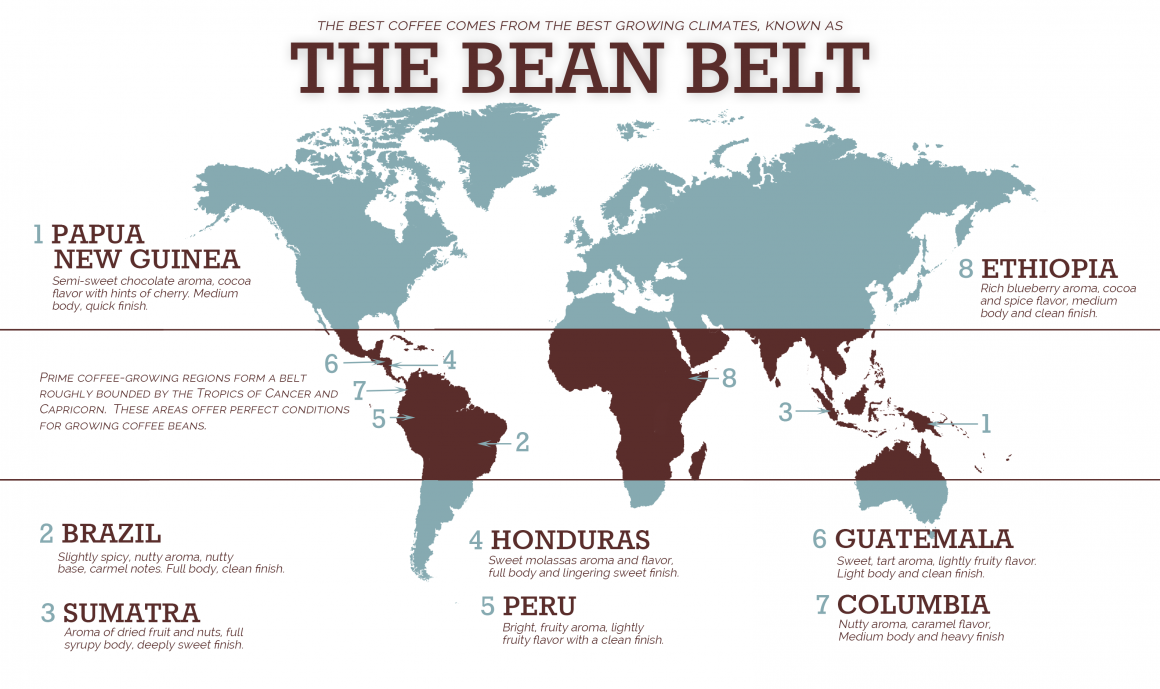
Every coffee origin offers a unique taste experience. Recognizing and appreciating these flavor profiles can elevate your drip coffee journey. Different regions impart distinct notes to their beans, influenced by factors like soil, altitude, and climate.
Delve into the world of single-origin coffees. These are sourced from one location and highlight the region's specific characteristics. For instance, Ethiopian coffees often feature floral notes, whereas Sumatran beans offer rich, earthy flavors.
Popular Coffee Origins and Their Flavor Profiles
-
Ethiopia: Floral, fruity, and bright.
-
Colombia: Nutty with a balanced acidity.
-
Sumatra: Earthy, bold, and full-bodied.
by SQ Online (https://sqonline.ucsd.edu/2018/03/wake-up-and-smell-the-climate-change-could-coffee-be-going-extinct/)
Experimenting with different blends can also yield fascinating results. Blends combine flavors from various origins to create complexity in each sip. This approach broadens your tasting horizon and enhances your brewing routine. Whether you prefer single-origin or blend, exploring origins brings depth to your coffee experience, aligning with a curious and adventurous mindset.
The Science of Extraction: Solubility, Time, and Temperature
Understanding coffee extraction is pivotal for perfect drip brewing. Key elements include solubility, time, and temperature. Each plays a vital role in unlocking flavor nuances within your cup.
Solubility refers to how well coffee compounds dissolve in water. Proper solubility ensures balanced flavors. Over-extraction can lead to bitter notes, whereas under-extraction results in sour tastes. Achieving the right balance is essential.
Extraction time is equally critical. Too long, and the flavors become harsh. Too short, and the coffee tastes weak. Adjust the brewing time to suit your taste preferences.
Temperature impacts extraction efficiency. Ideal water temperature ranges from 195°F to 205°F. At this range, compounds dissolve optimally. Cold water hinders extraction, whereas boiling can scald the coffee.
Key Variables of Coffee Extraction
-
Solubility: Ensures balanced flavors by controlling compound dissolution.
-
Time: Determines the strength and depth of the coffee.
-
Temperature: Dictates the efficiency of compound extraction.

by Oak & Bond Coffee Co. (https://unsplash.com/@oakandbondcoffee)
Mastering these variables can enhance your brewing technique. It ensures each cup of drip coffee is rich, balanced, and satisfying.
Drip Coffee and the Creative Mind: Coffee as a Catalyst
Drip coffee does more than fuel our bodies. It stimulates our minds, acting as a catalyst for creativity. The ritual of brewing itself can spark ideas and enhance creative thinking.
The process of making drip coffee invites moments of mindfulness. This pause in routine allows the mind to wander and explore new ideas. The aroma, warmth, and flavor provide sensory experiences that can inspire.
Caffeine plays its part, too. It sharpens focus and reduces mental fatigue, giving creativity room to flourish. The right amount of coffee can lead to innovative solutions and artistic brilliance.
Ways Drip Coffee Fuels Creativity
-
Mindfulness: Creates a reflective moment that enhances idea generation.
-
Sensory Stimulation: Engages senses, offering a space for creative thoughts.
-
Caffeine Boost: Enhances concentration and diminishes fatigue for productive thinking.
Cultivate a creative routine with drip coffee. Embrace its stimulating qualities, and let it be the muse for your next big idea.
Conclusion: Your Path to Perfect Drip Coffee
Perfecting drip coffee combines art and science. By mastering key elements like water quality, grind size, and the right coffee-to-water ratio, you can elevate your daily coffee ritual. Each cup brewed becomes a testament to your dedication.
This guide empowers you to experiment and refine your technique. Adjust variables to suit your taste. As you build your routine, let each step in the brewing process be deliberate and mindful.
Embrace each cup as a moment of focus and creativity. Let drip coffee fuel not only your day but your goals and ambitions. With practice, you'll brew with confidence, consistently achieving that perfect cup every time.